
How sustainable is second-hand clothing, really?
What is the environmental impact of clothing, and what difference does buying second-hand make? The key facts at a glance, with sources.
In short
- In the EU, textiles rank fifth among consumption categories with the highest environmental pressure (EEA, 2022 figures).
- Around 80 per cent of the climate impact of textiles arises during production.
- On average, a second-hand garment replaces about half a new garment (Milieu Centraal). So it mainly helps when it replaces new purchases.
- Wearing clothes for longer works: nine months of extra use reduces the footprint of clothing by around 20 to 30 per cent (WRAP).
Second-hand clothing has a reputation for being sustainable. But how much difference does it really make? We’ve set out the key facts, with figures from independent sources such as the European Environment Agency (EEA) and the Dutch environmental information centre Milieu Centraal. And we’ll be honest: second-hand is good, but it’s no silver bullet.
How big is the impact of clothing?
In 2022, each person in the EU used an average of 19 kg of textiles: 8 kg of clothing, 7 kg of household textiles and 4 kg of shoes. According to the European Environment Agency, that puts textiles fifth out of twelve consumption categories with the greatest pressure on the environment, measured by raw materials, water, land use and greenhouse gases.
In the Netherlands, people buy an average of around 60 new garments per person per year, Milieu Centraal estimates. Together, that’s almost a billion garments. At the same time, the Dutch throw away more than 200 million kg of textiles every year.
Worldwide, the equivalent of one rubbish lorry full of textiles is landfilled or burned every second, the Ellen MacArthur Foundation calculated in 2017. Less than 1 per cent of the material used to make clothing is recycled into new clothing.
Most of the impact comes from production
Around 80 per cent of the climate impact of textiles arises in the production phase: making the fibres, spinning, weaving, dyeing and assembly. Use, such as washing and drying, accounts for around 14 per cent; transport and retail, and the waste phase, for about 3 per cent each. That’s according to EEA figures on European consumption in 2020.
That’s why a garment that already exists is so valuable: nothing new has to be made for a second-hand piece.
What difference does buying second-hand make?
Milieu Centraal has looked into how much environmental benefit second-hand clothing delivers. The conclusion: on average, one second-hand garment replaces about half a new garment. So if you only buy second-hand, you save roughly half the environmental impact of new clothing.
There is one important condition, though: buying second-hand is only sustainable if it replaces buying new clothes. If you buy second-hand on top of your new clothes, it does little for the environment.
Wearing clothes for longer counts most
In 2012, the British organisation WRAP calculated that wearing clothes for nine months longer reduces their carbon, water and waste footprints by around 20 to 30 per cent. Good care and small repairs help.
What happens to discarded clothing?
Of the textiles that consumers in the Netherlands get rid of, 43 per cent ends up in general waste, according to Milieu Centraal. That means it’s lost, even though some of it could still have been worn or recycled. Clothes that are still in good condition are better resold, given away or taken to a charity shop or a textile collection bin.
What are the Netherlands and the EU doing?
Since 1 July 2023, extended producer responsibility (EPR) for textiles has applied in the Netherlands. This makes producers and importers of new clothing and household textiles responsible for what happens to their products once they are discarded. The goal: a growing share of the textiles they placed on the market the previous year must be prepared for reuse or recycled, rising from 50 per cent in 2025 to 75 per cent in 2030. EPR does not apply to sellers of second-hand clothing.
Things are changing in Europe too. Since 16 October 2025, a revised Waste Framework Directive has been in force. As a result, all EU countries must set up a similar system of producer responsibility for textiles and footwear within 30 months.
How you can make a difference
- Shop mindfully: the most sustainable garment is the one you don’t need to buy, or the one you wear very often.
- Choose second-hand instead of new: that way you really do replace a new purchase.
- Wear it for longer: with good care and small repairs, clothes last for years.
- Look for quality: a well-made piece lasts longer. Read how to tell if clothes are good quality.
- Give your clothes a new life: sell, swap or donate what you no longer wear, instead of throwing it in the general waste.
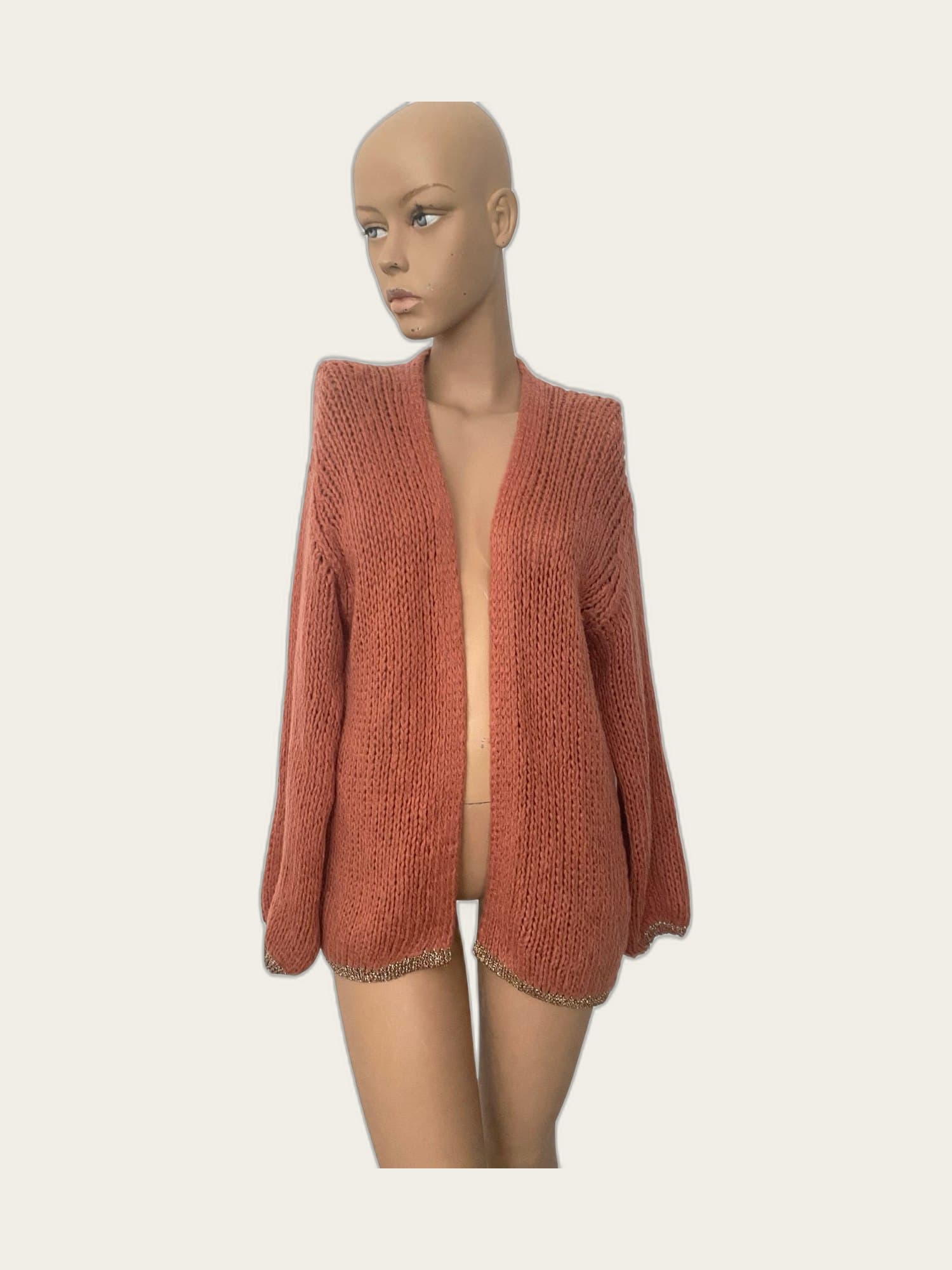
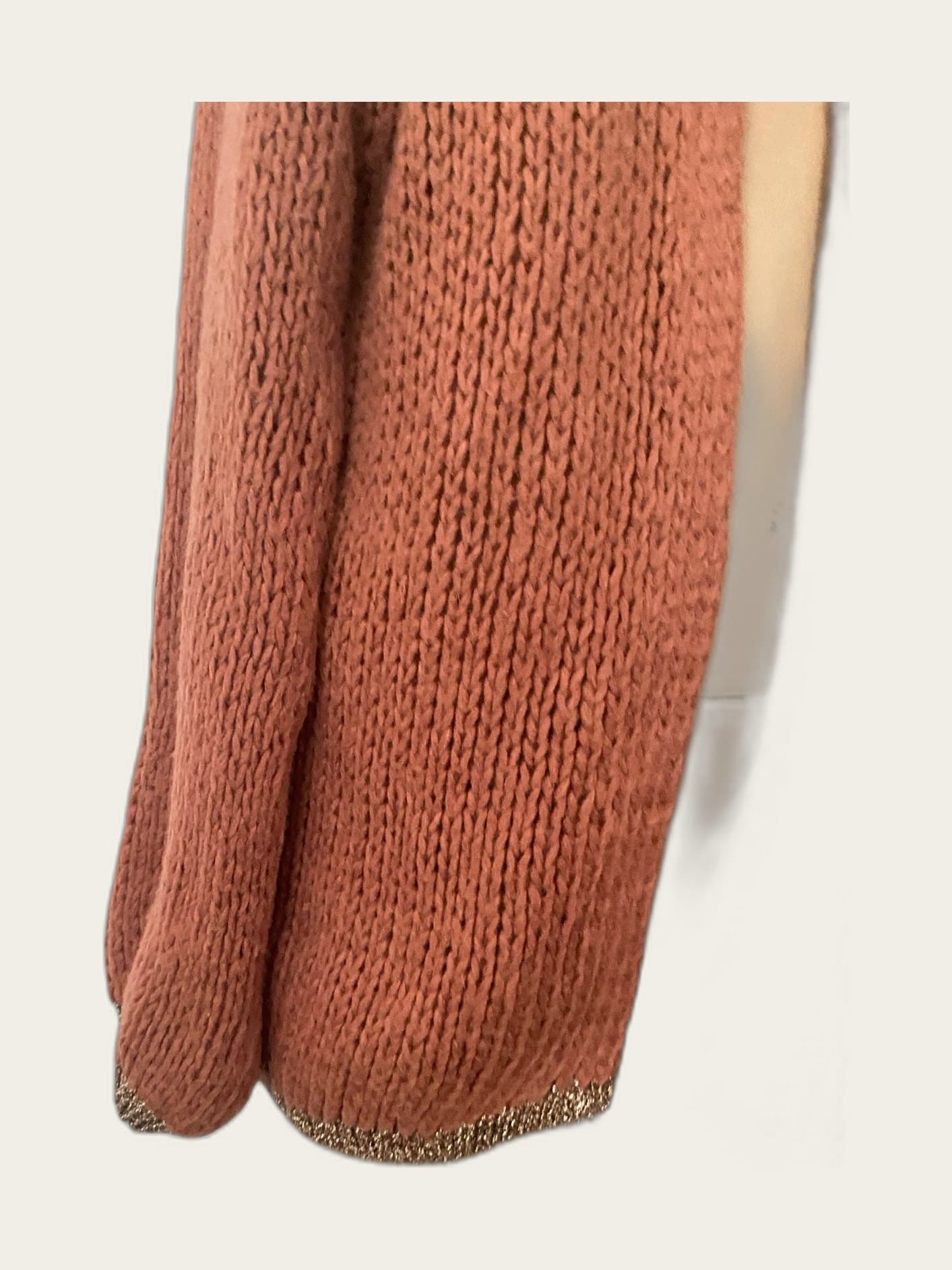
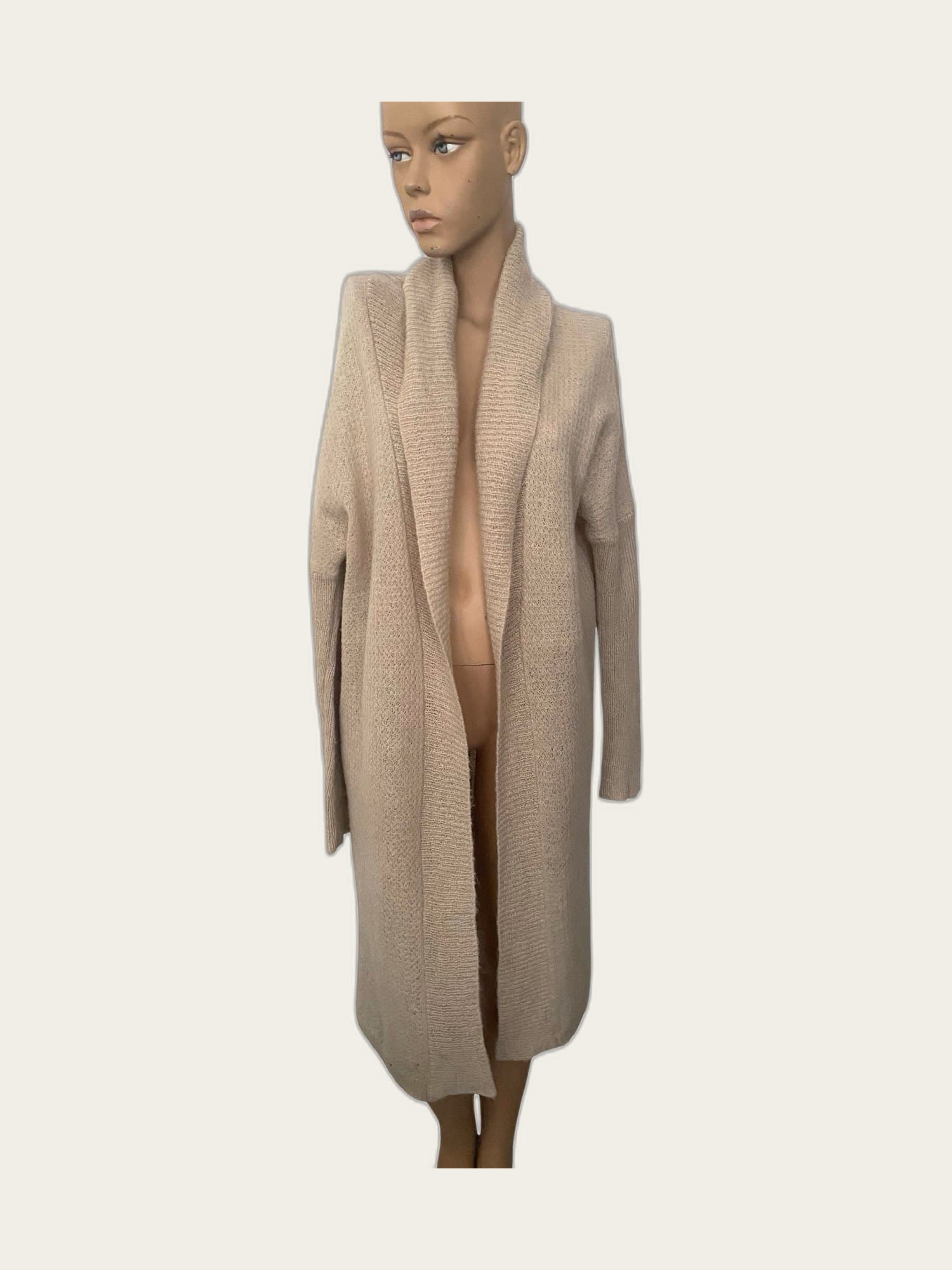
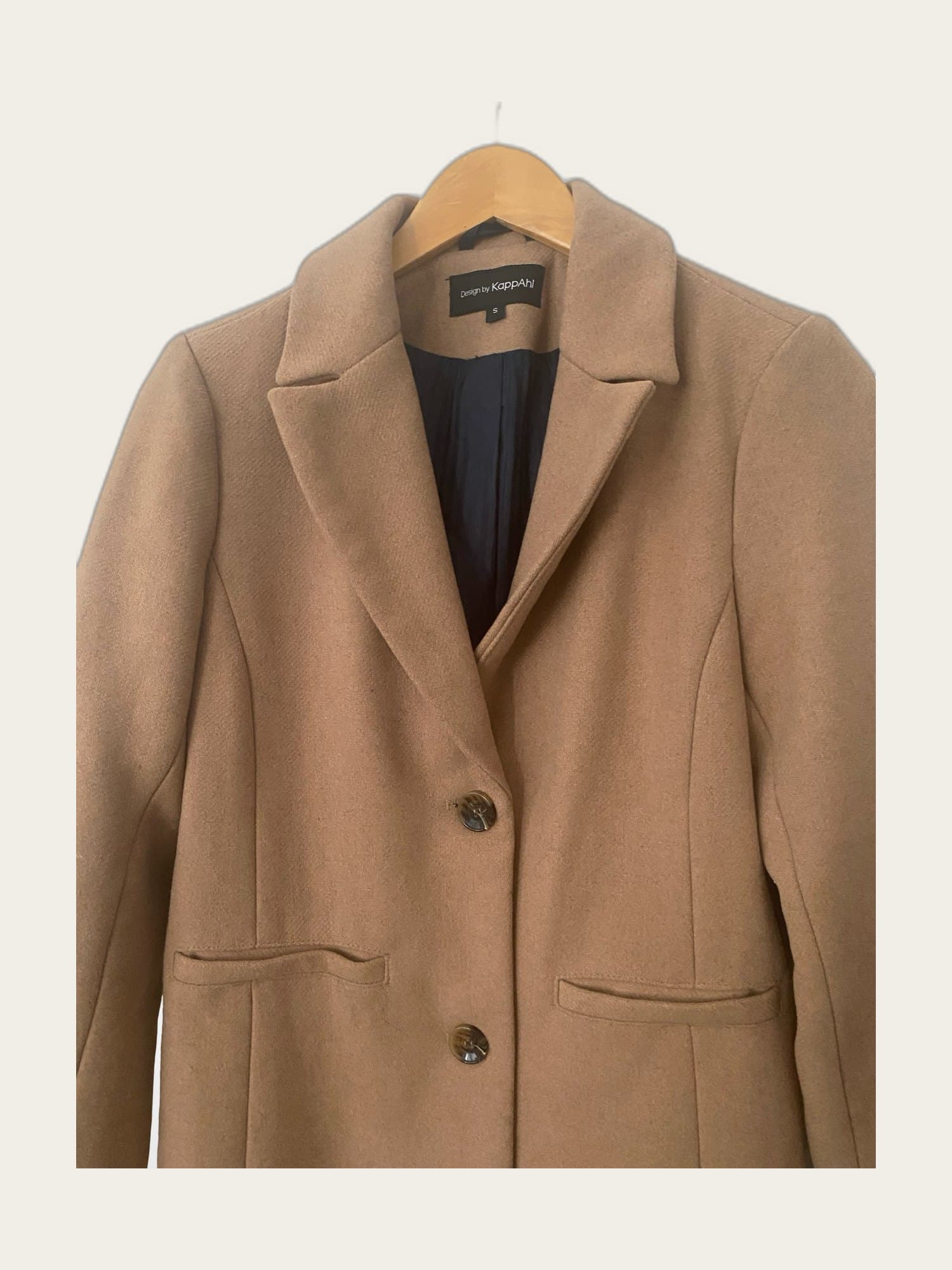
At GSYL, we give good clothes a second life: every item is hand-picked, checked and honestly described.
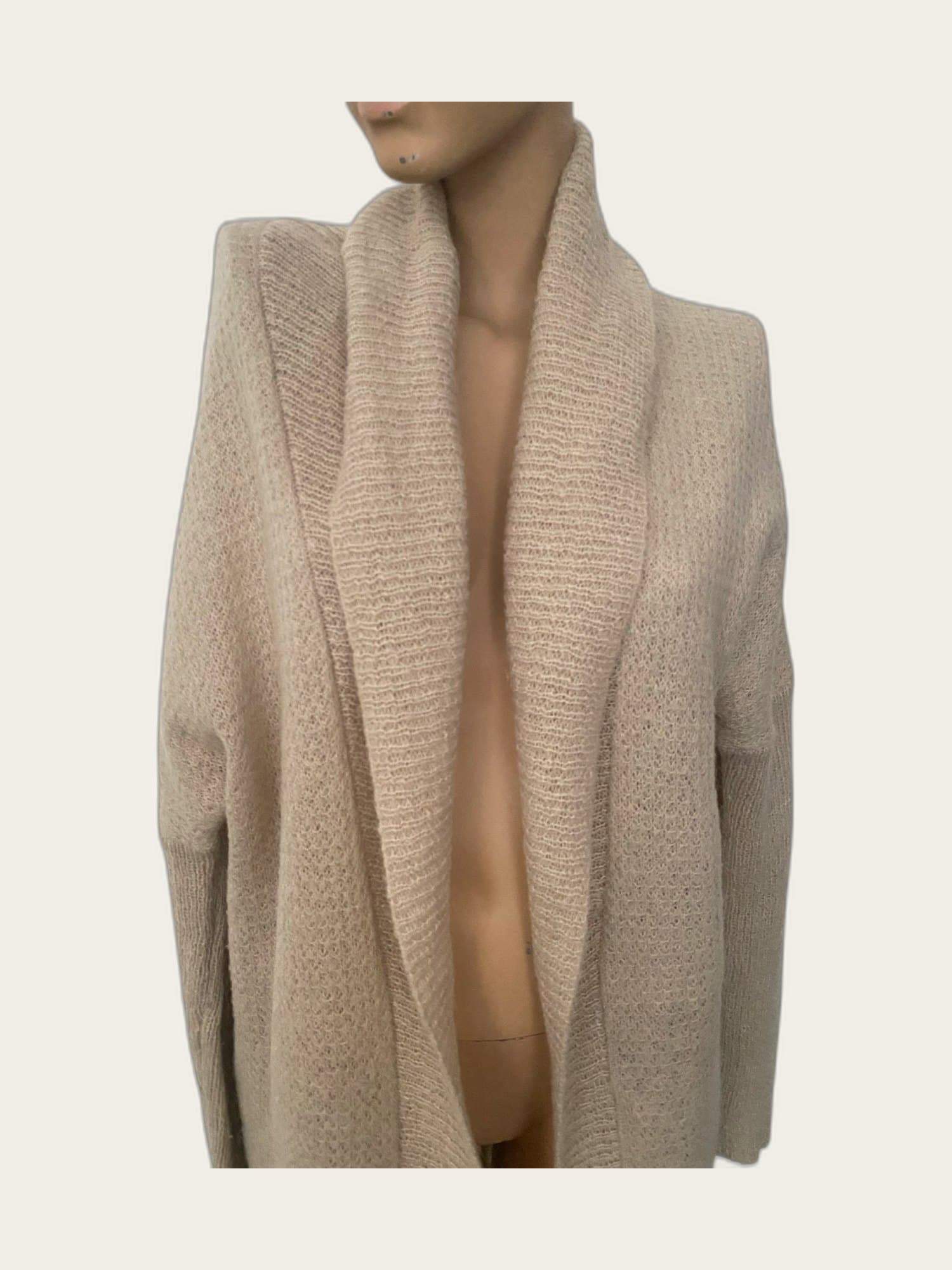
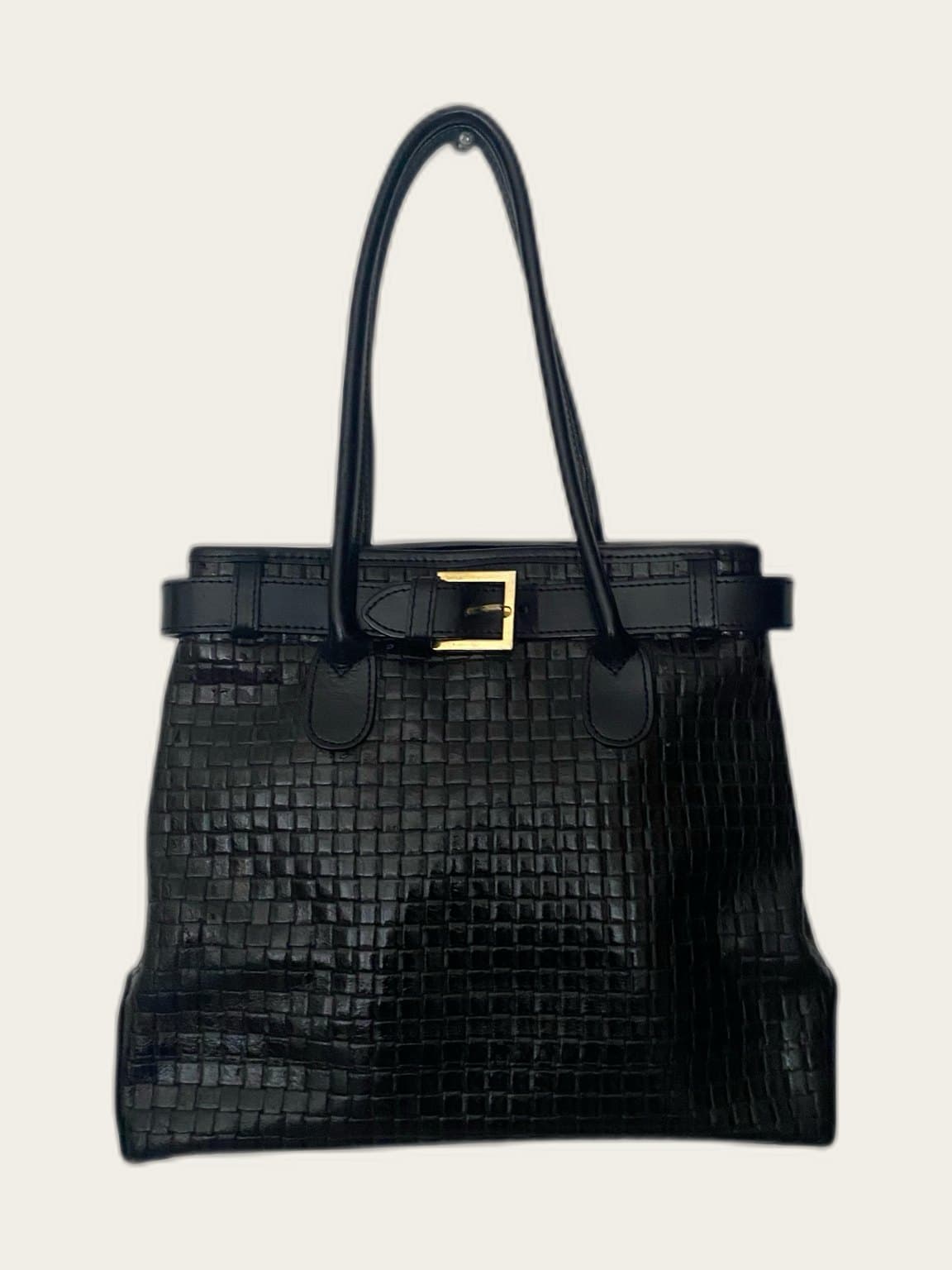
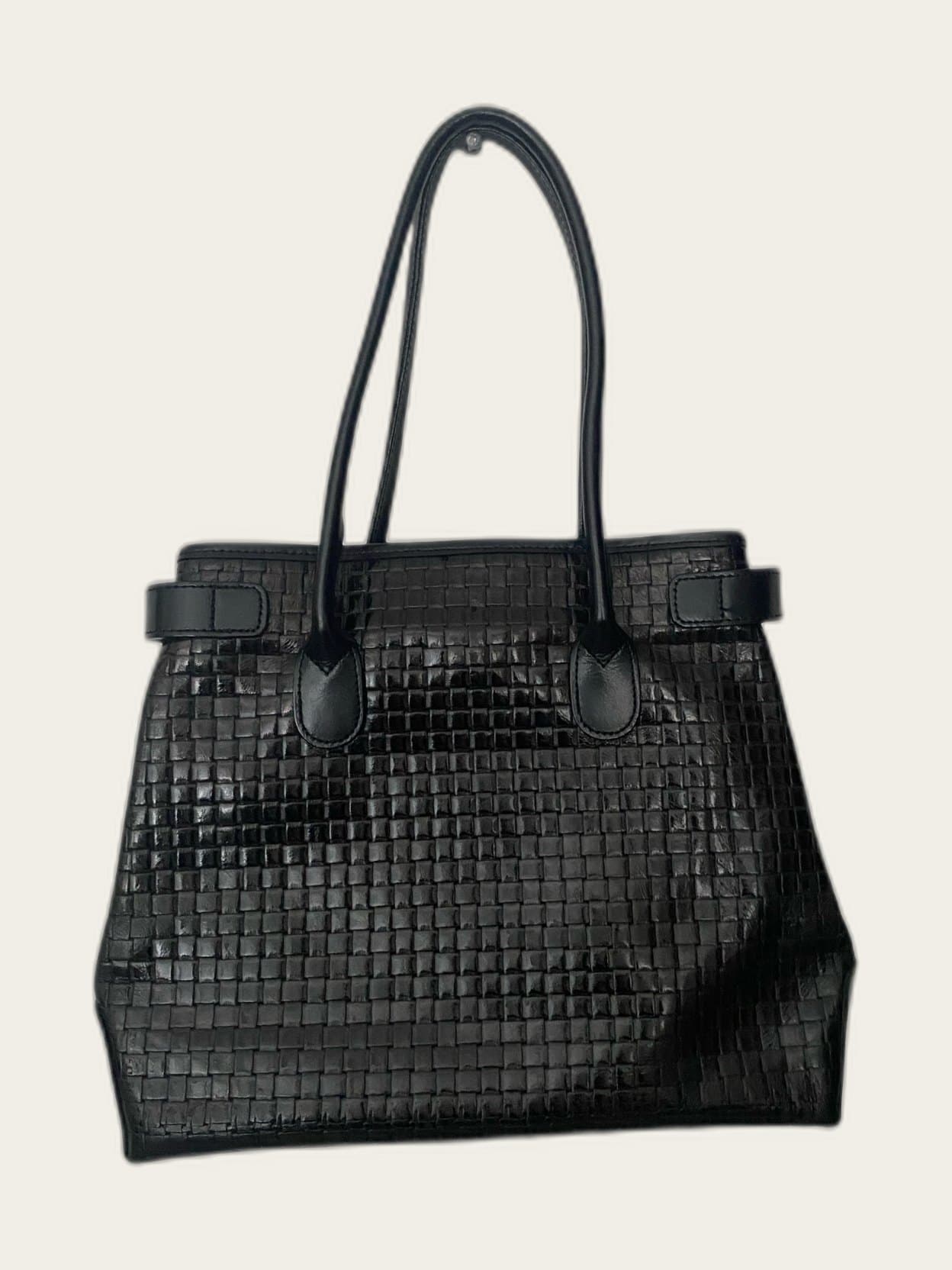
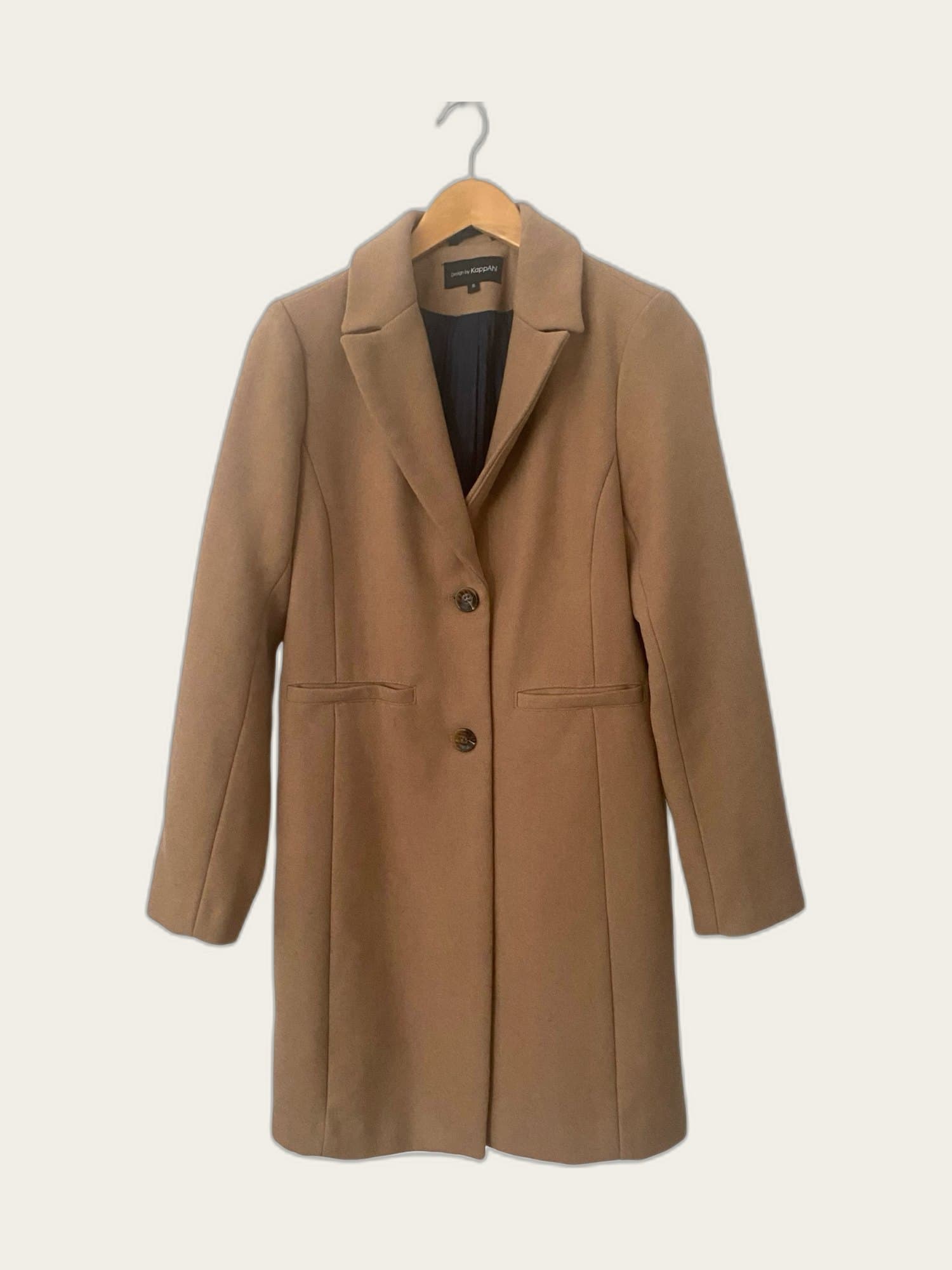
Give these pieces a second life
Frequently asked questions
Is second-hand clothing better for the environment?
Yes, if it replaces new clothing. According to Milieu Centraal, a second-hand garment replaces about half a new garment on average; if you only buy second-hand, you save roughly half the environmental impact of new clothing.
How many clothes do Dutch people buy each year?
On average, around 60 new garments per person per year, Milieu Centraal estimates. Altogether, almost a billion new garments are added in the Netherlands every year.
Where does clothing have its biggest environmental impact?
In production. That’s where around 80 per cent of the climate impact of textiles arises, according to the European Environment Agency.
What is the Dutch EPR scheme for textiles?
It’s the extended producer responsibility (EPR) for textiles that has applied in the Netherlands since 1 July 2023. Producers and importers of new textiles are responsible for collection, reuse and recycling. The share that must be prepared for reuse or recycled rises from 50 per cent in 2025 to 75 per cent in 2030. EPR does not apply to sellers of second-hand clothing.
Sources
- Circularity of the EU textiles value chain in numbers (opens in a new tab), European Environment Agency (EEA) (2025)
- Textiles and the environment: the role of design in Europe’s circular economy (opens in a new tab), European Environment Agency (EEA) (2022)
- A New Textiles Economy: Redesigning fashion’s future (opens in a new tab), Ellen MacArthur Foundation (2017)
- Valuing Our Clothes: the true cost of how we design, use and dispose of clothing in the UK (opens in a new tab), WRAP (2012)
- Zo schaadt kleding het milieu (opens in a new tab), Milieu Centraal (2026)
- Factsheet duurzaamheid van tweedehands kleding (opens in a new tab), Milieu Centraal (2024)
- Nederlanders doen bijna helft van de kapotte kleding weg (opens in a new tab), Milieu Centraal (2025)
- Besluit uitgebreide producentenverantwoordelijkheid textiel (opens in a new tab), Rijksoverheid (wetten.overheid.nl) (2023)
- Revised Waste Framework Directive enters into force (opens in a new tab), European Commission (2025)
Give clothes a second life
Every item at GSYL is unique, hand-picked and ready for a new owner.