

How to tell if clothes are good quality: what to look for
Fabric, seams, lining and finishing: how to tell whether a garment is well made and will last, even when it’s second-hand.
In short
- Start with the label: the fibre composition tells you how a fabric wears and how well it lasts.
- Look at the seams: small, even stitches and a neat finish on the inside.
- Pay attention to the details: lining, buttons, buttonholes, zips and hem.
- With second-hand, you can see how a piece holds up: if it still looks good after years, it’s well made.
Second-hand clothing gives you an advantage: you can already see how a garment holds up after being worn and washed. A jumper that still looks good after a few years is good quality. But how do you recognise that quality? Use these points to assess a garment, in a shop or from photos.
Read the fibre composition
The label tells you what the fabric is made of, in percentages. For clothing sold in the EU, this is mandatory. Natural fibres such as wool, cashmere, silk, cotton and linen breathe well and feel pleasant. Synthetic fibres such as polyester, polyamide (nylon) and acrylic are strong and cheap, but less breathable. Viscose, modal and lyocell sit in between: they’re made from plant-based raw materials, usually wood, through a chemical process.
| Fabric | Properties | Watch out for |
|---|---|---|
| Wool | Warm, breathable, dirt-repellent | Can itch; wash cool and gently |
| Cashmere | Soft, light and warm | Bobbles when rubbed; quality varies widely |
| Cotton | Strong, breathable, easy to wash | Can shrink in the tumble dryer |
| Linen | Cool and strong, softens over time | Creases easily |
| Silk | Light, lustrous, pleasant against the skin | Sensitive to heat, sun and friction |
| Viscose | Drapes softly, feels cool | Fragile when wet; can shrink |
| Polyester | Strong, hardly creases, dries quickly | Less breathable; sheds microfibres in the wash |
| Acrylic | Affordable alternative to wool | Bobbles quickly |
A blend can be a smart choice
A small percentage of elastane makes trousers or a top more comfortable, and wool with a little polyamide is more hard-wearing. A high percentage of acrylic or polyester in a jumper usually means it will bobble sooner.
Check the seams
- Stitches: small and even. Large, loose stitches come undone more easily.
- Inside: neatly finished seams don’t fray.
- Seam allowance: well-made clothing has a little extra fabric in the seams, so a garment can be let out if needed.
- Pattern: on good clothing, stripes and checks line up across the seams.
- Strength: pull gently at a seam. If you can see gaps or threads, the seam is weak.
Look at the finishing
- Lining: a lined coat or blazer hangs better and lasts longer. The lining shouldn’t pull.
- Buttons and buttonholes: firmly sewn on, with densely stitched buttonholes. A spare button is a good sign.
- Zips: run smoothly and lie flat.
- Hem: straight and neat, and on smart clothing with enough fabric to let it down if needed.
Feel and examine the fabric
Hold the fabric up to the light: tightly woven or knitted fabric is usually stronger than fabric you can see through. Squeeze wool and let go: good wool springs back. And look at the areas that wear out fastest: armpits, collar, cuffs, seat and inner thighs.
A brand is no guarantee
An expensive brand isn’t automatically better made, and an affordable brand isn’t automatically bad. So look mainly at the garment itself. The beauty of second-hand is that time has already done part of the work: whatever still looks good after years is usually well made. And with the right care, it stays that way.
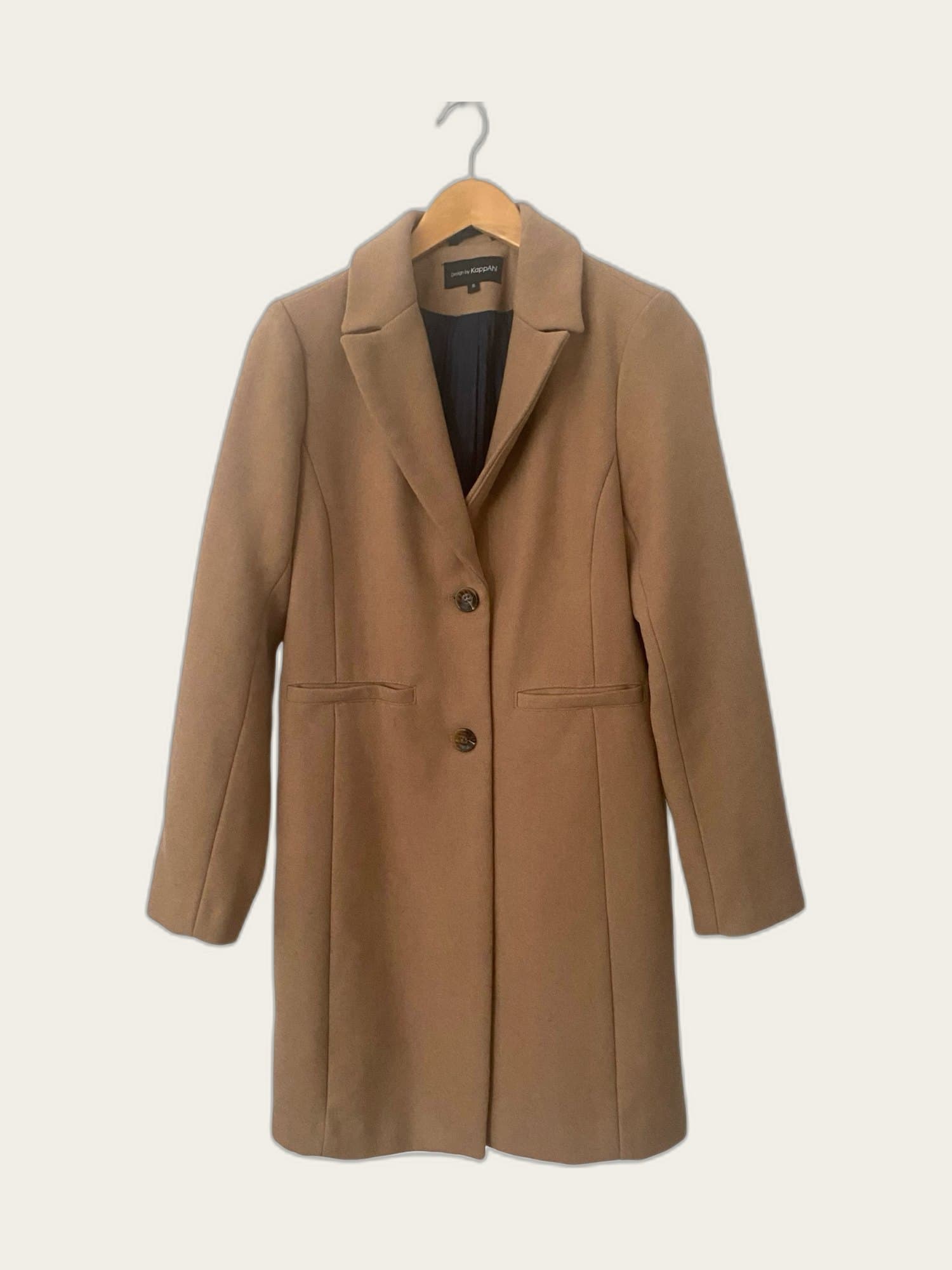
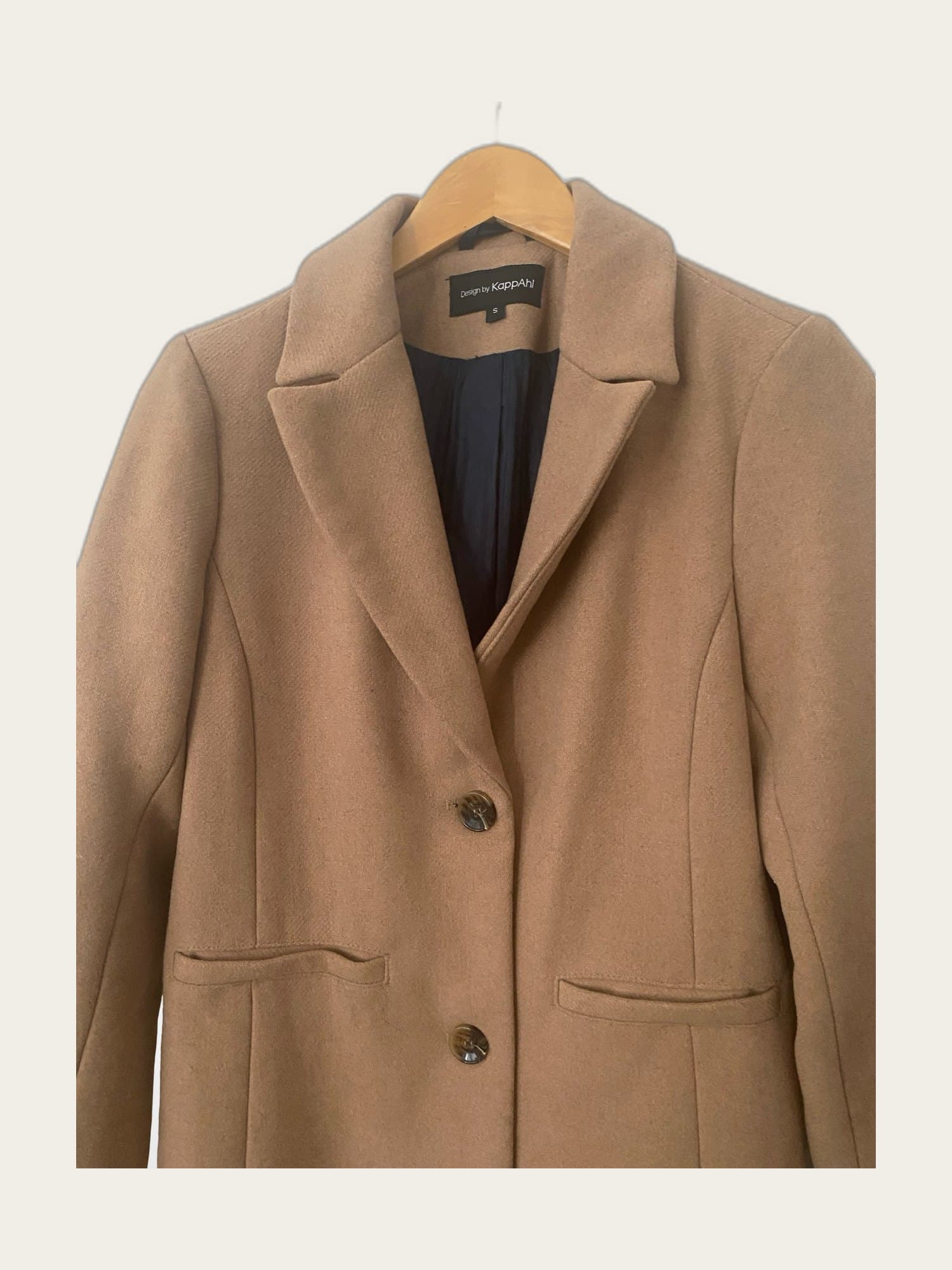
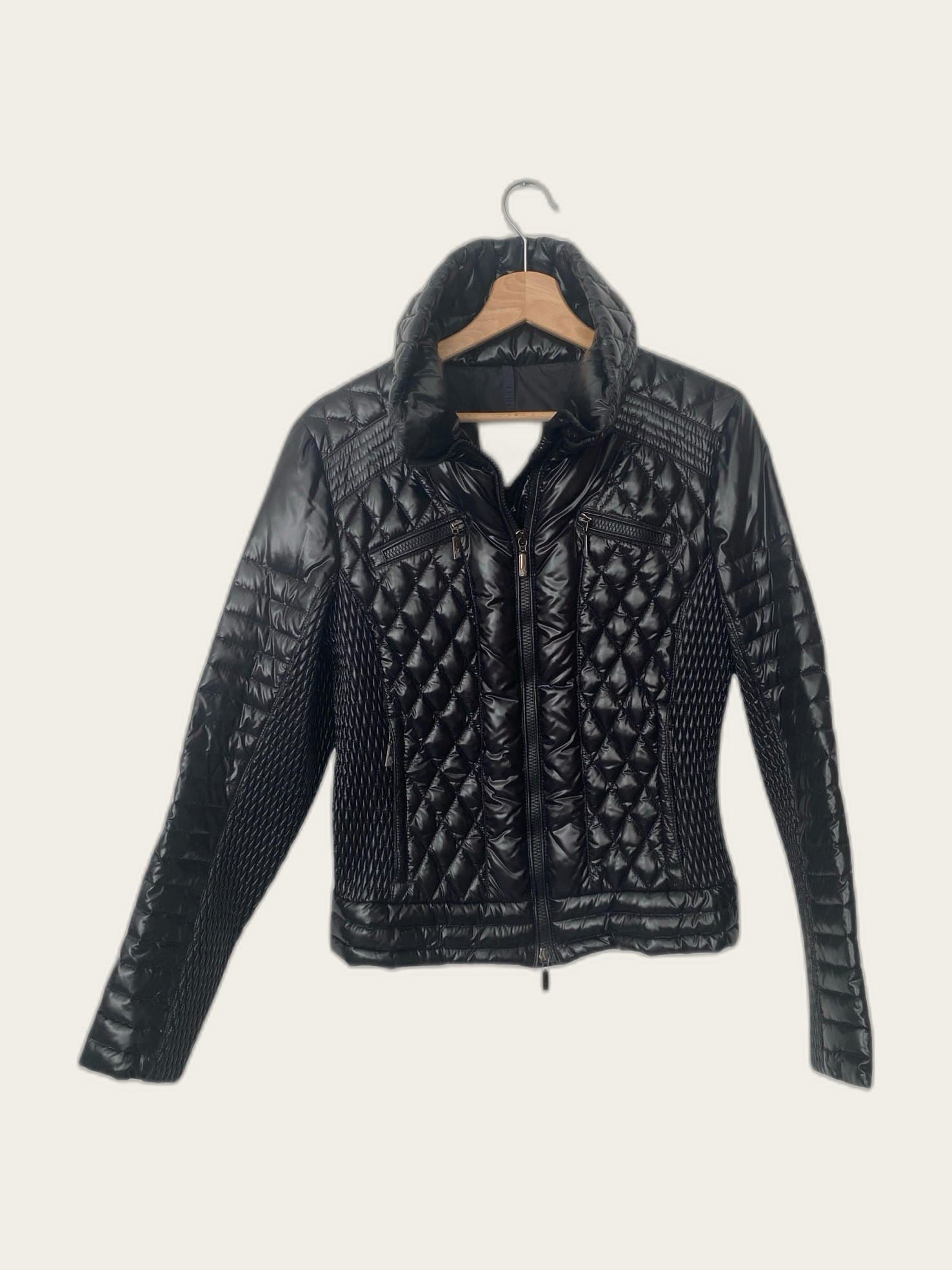
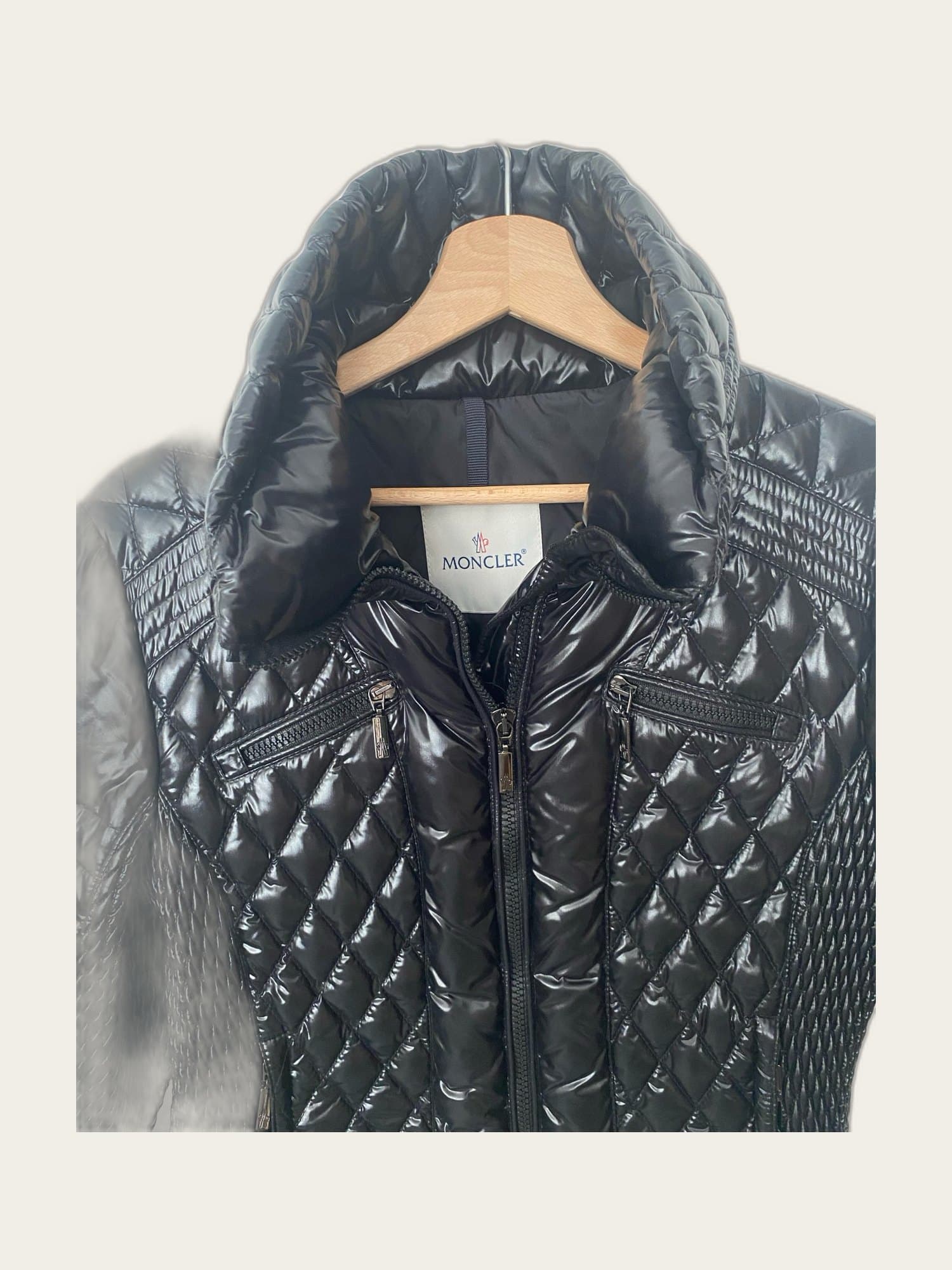
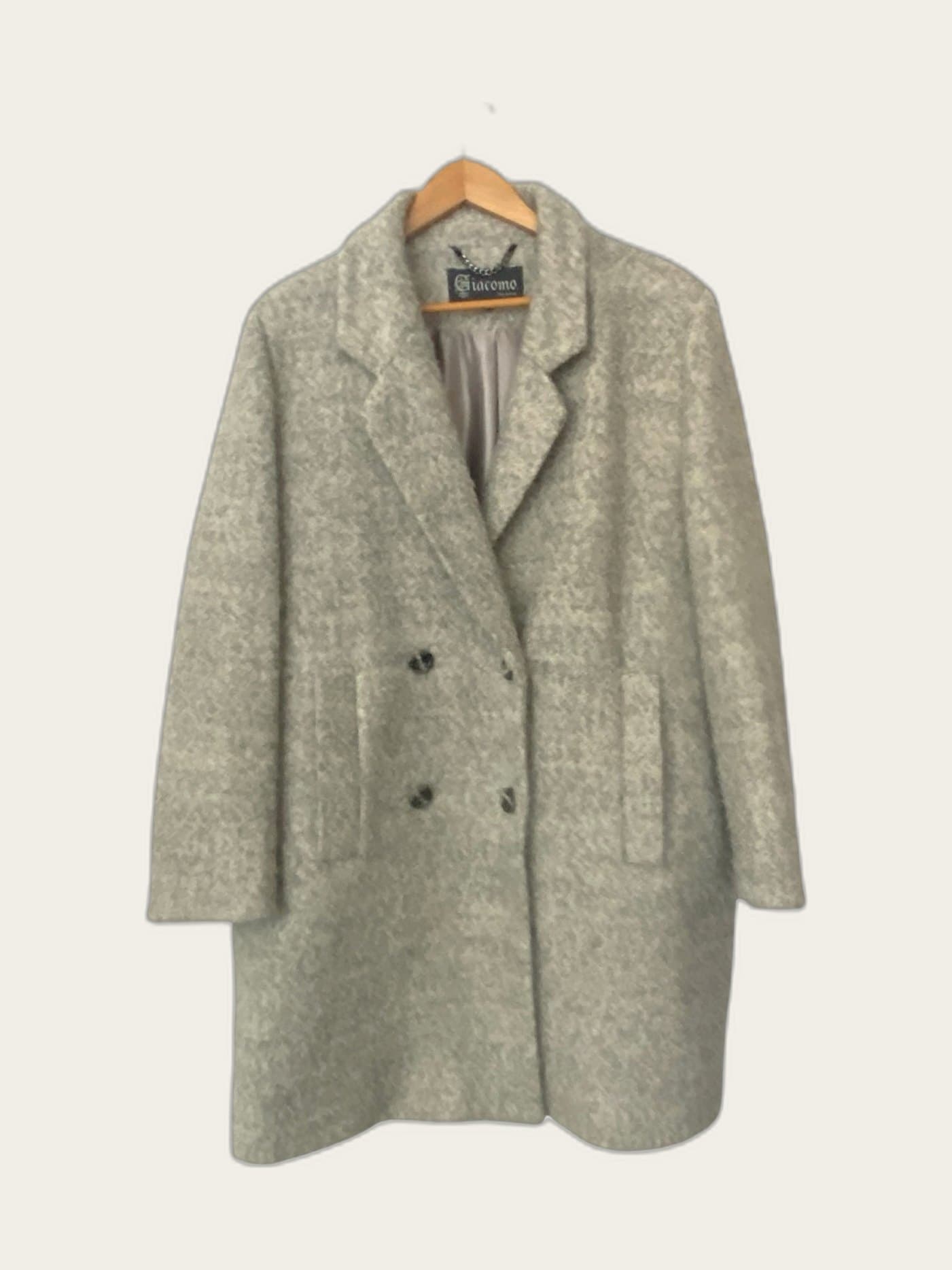
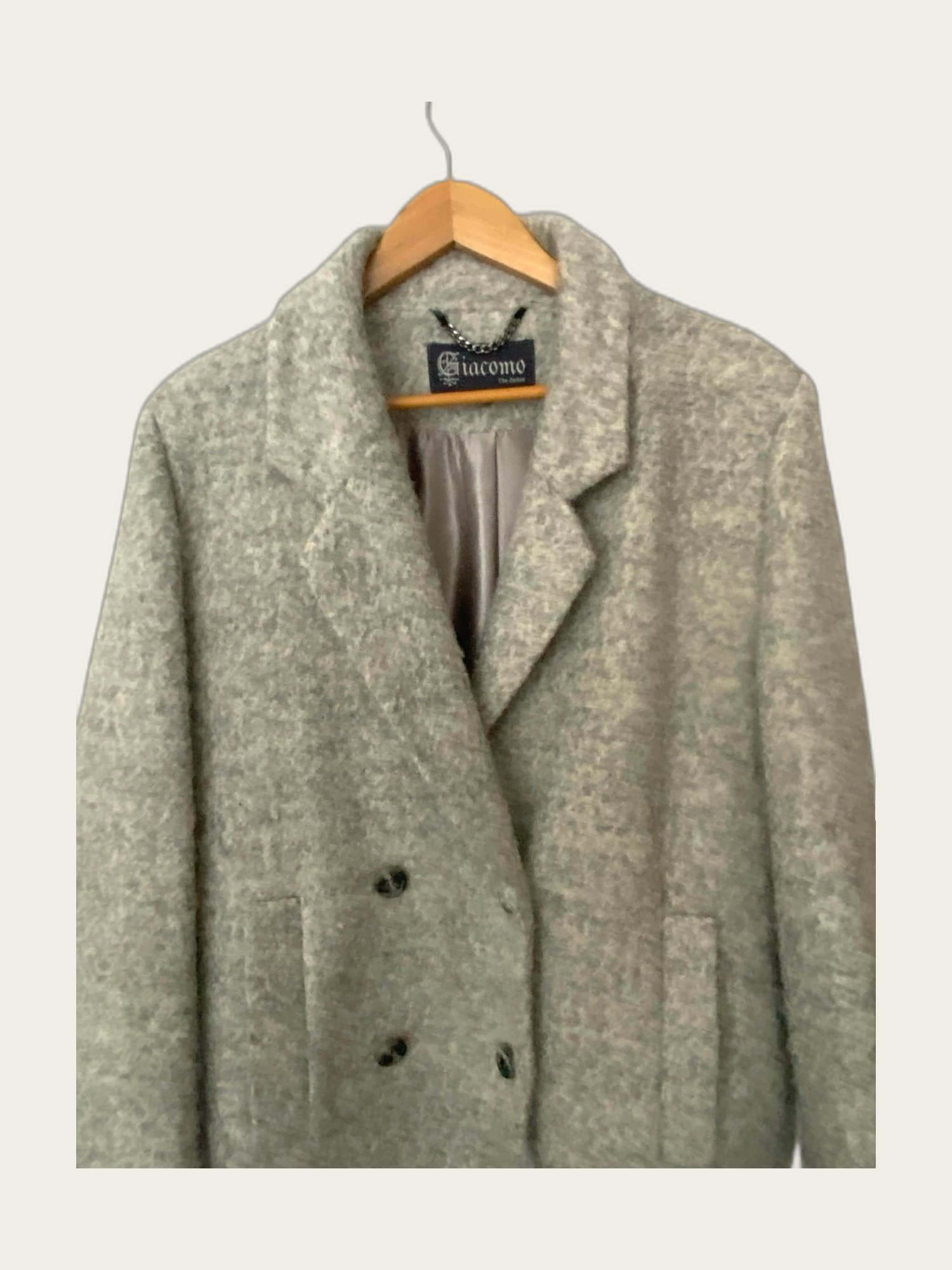
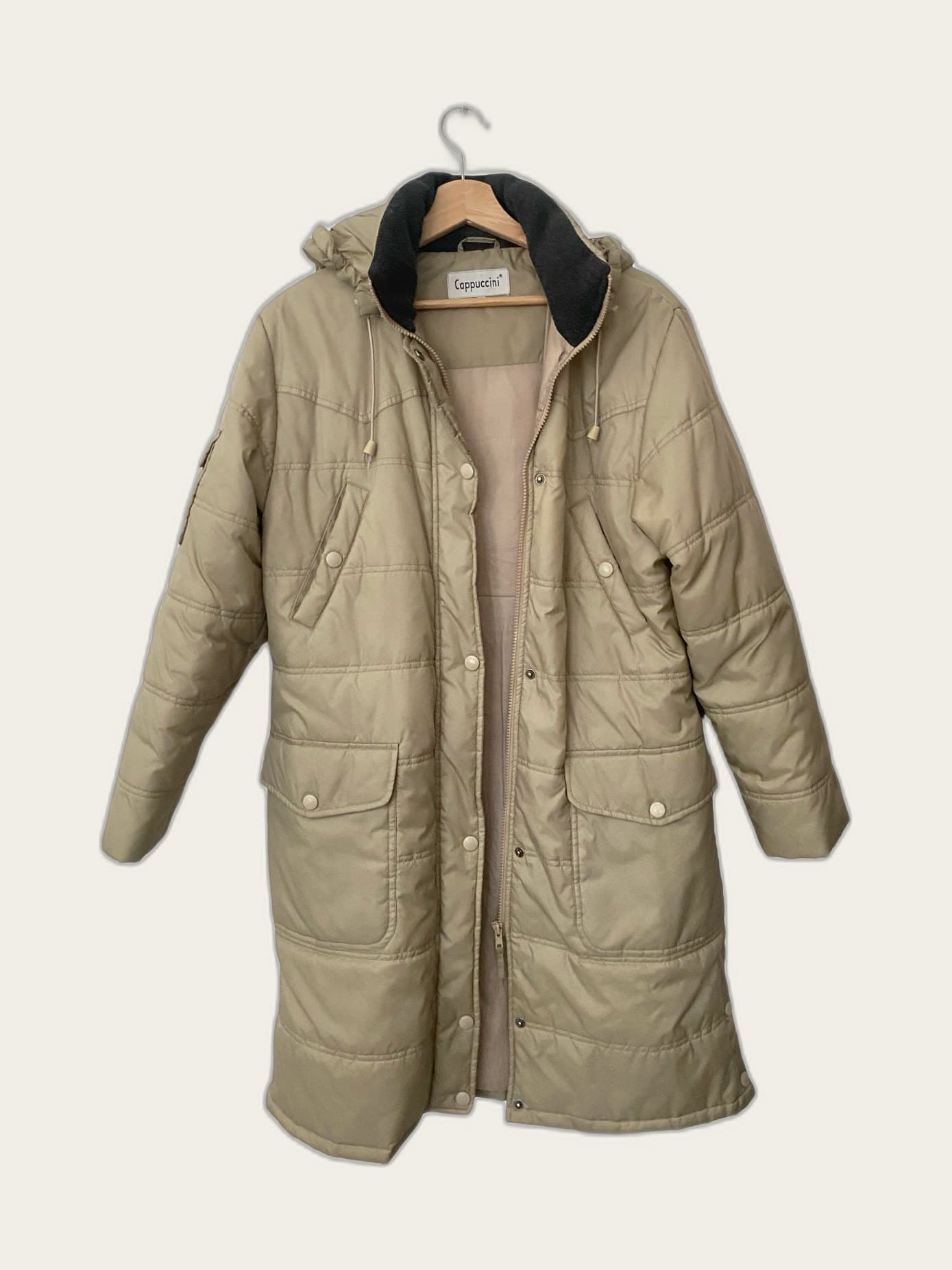
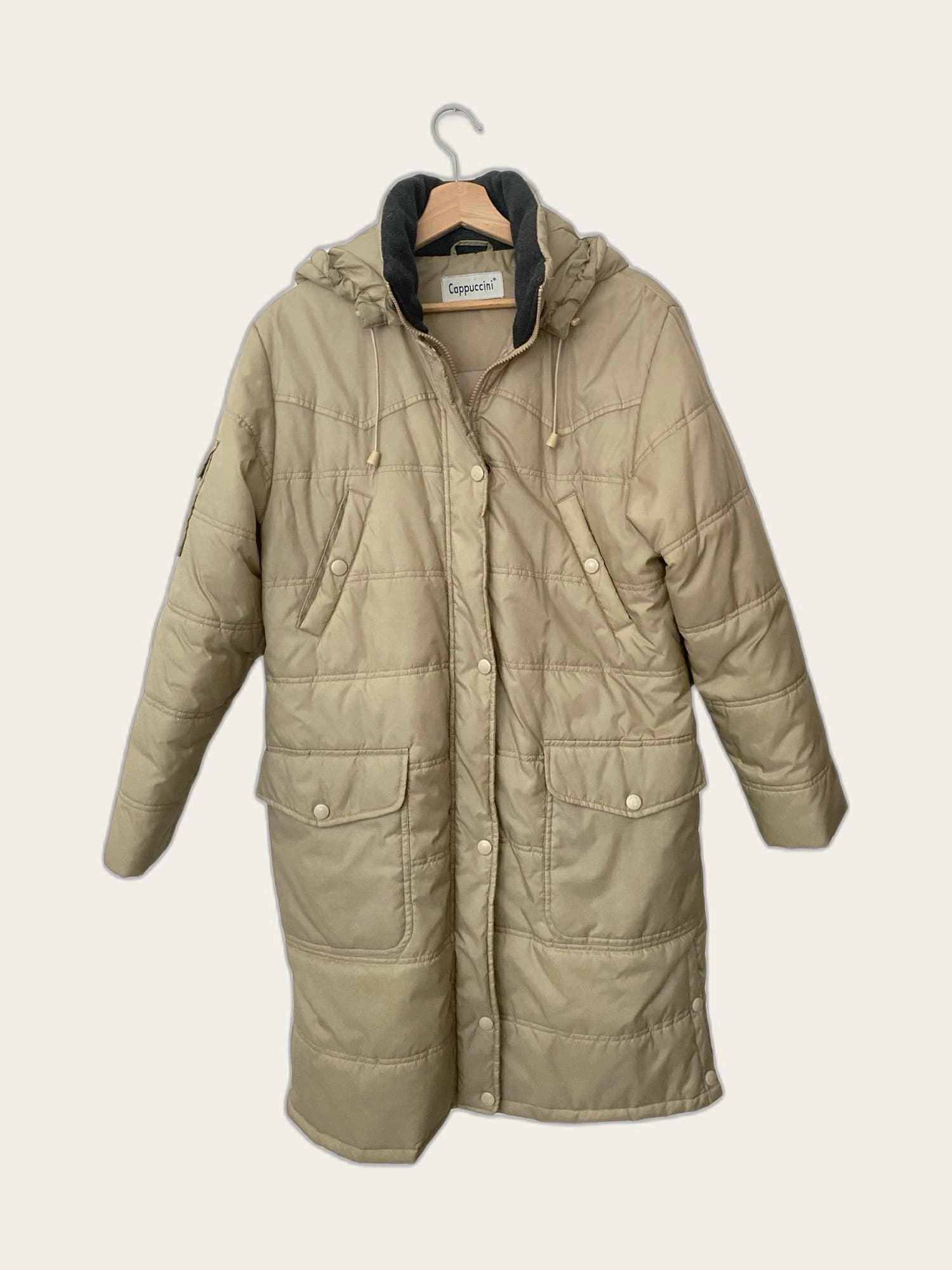
Jackets and coats at GSYL
Frequently asked questions
How can you tell if clothing is good quality?
Look at the fibre composition on the label, small and even stitches, a neat finish on the inside, a lining in coats and blazers, and firmly sewn-on buttons. With second-hand, you can also see how the piece has held up after being worn.
Are natural fabrics always better?
Not always. Natural fibres breathe well, but the quality of the fibre and the finishing count just as much. A sturdy fabric with a little synthetic material can last longer than a loosely knitted jumper made of purely natural material.
Why is my jumper bobbling?
Bobbles (pilling) form when short fibres work loose through friction and roll into little balls. This happens sooner with soft, loose knits and with acrylic or blends containing synthetic fibres.
Sources
Hand-picked
Every item in the shop has been checked for condition, fit and style. Discover what’s new in.