

Clothing care: how to keep your clothes looking good for longer
Wash less often and cooler, air your clothes and store them well: how to care for wool, cashmere, silk, viscose, cotton, denim and leather.
In short
- Wash less often: airing is often enough, especially for wool, coats and blazers.
- Wash at a low temperature, inside out and on a programme that suits the fabric.
- Wool, silk and viscose don’t belong in the tumble dryer; dry them flat or hanging up.
- Fold knitwear and hang coats on a wide, sturdy hanger.
The longer you wear a garment, the better: for your wallet and for the environment. With the right care, most clothes last for years. That goes for new clothes, and just as much for second-hand.
Read the care label
The care label tells you what a garment can handle: the maximum washing temperature, whether it can go in the tumble dryer and how hot you can iron it. The symbols are set out internationally in the ISO 3758 standard. Not sure? Then wash cooler and more gently than the label says; that almost never does any harm.
| Symbol | Meaning |
|---|---|
| Washtub with a number | Wash at up to that temperature in degrees Celsius |
| One bar under the washtub | Mild wash programme |
| Two bars under the washtub | Very mild programme, such as a wool or delicates programme |
| Washtub with a hand | Hand wash only |
| Crossed-out washtub | Do not wash |
| Triangle | Bleaching allowed; crossed out: do not bleach |
| Square with a circle | Tumble drying allowed; crossed out: do not tumble dry |
| Iron with one, two or three dots | Iron at a low (110 °C), medium (150 °C) or high (200 °C) temperature |
| Circle | Professional cleaning; crossed out: do not dry-clean |
Wash less often
A lot of clothing gets washed more often than necessary. Every wash causes some wear: fibres weaken, colours fade and knitwear starts to bobble. Jumpers, coats, blazers and jeans don’t need to go in the wash after every wear, far from it. After wearing them, hang them outside the wardrobe overnight to air, and spot-clean any small marks.
How to care for each material
Wool and cashmere
Wool naturally repels dirt and needs little washing; airing is often enough. Wash wool and cashmere by hand or on the wool programme in cold to lukewarm water, with a wool detergent. Don’t wring it; instead, roll the garment in a towel to press the water out, and dry it flat so it doesn’t stretch. Remove bobbles with a jumper comb or a fabric shaver.
Silk
Silk is strong, but sensitive to heat, sun and friction. Hand wash it in cold water with a detergent for delicates, or have it professionally cleaned if the label says so. Dry silk out of the sun and iron it inside out on a low temperature.
Viscose
Viscose drapes softly and feels cool, but it’s fragile when wet and can shrink. Wash it on a delicates programme at 30 degrees or by hand, spin it on a low setting and hang it up to dry.
Cotton and linen
Cotton and linen are strong and can usually go in the washing machine. Wash at 30 or 40 degrees; hotter is rarely necessary and makes colours fade faster. Linen creases easily: hang it up straight after washing and iron it while it’s still slightly damp.
Denim
Wash jeans as little as possible, inside out and cold. That way the colour stays deep for longer and the fabric keeps its shape. Dry denim on the line: in the tumble dryer it can shrink.
Polyester and other synthetic fabrics
Synthetic fabrics are strong and hardly crease. Wash them cool and not too often: every wash releases microfibres that end up in the wastewater. A special wash bag catches some of them.
Leather and suede
Leather and suede don’t belong in the washing machine. Brush suede with a suede brush, treat leather now and then with leather balm or cream, and protect shoes and bags with a waterproofing spray. Let wet leather dry slowly, not on the radiator.
Store your clothes properly
- Fold knitwear: on a hanger, a jumper stretches at the shoulders.
- Hang coats and blazers on a wide, sturdy hanger, so the shoulders keep their shape.
- Put clothes away clean: clothes moths are attracted to wool with traces of dirt and sweat.
- Cedarwood and lavender can help keep moths away; vacuum your wardrobe now and then.
- Store seasonal clothing in cotton covers or boxes rather than plastic, so the fabric can breathe.
Small repairs pay off
A loose button, a split seam or a hem that’s coming down: you can fix these yourself with a needle and thread. For bigger jobs, take it to a tailor or a Repair Café near you.
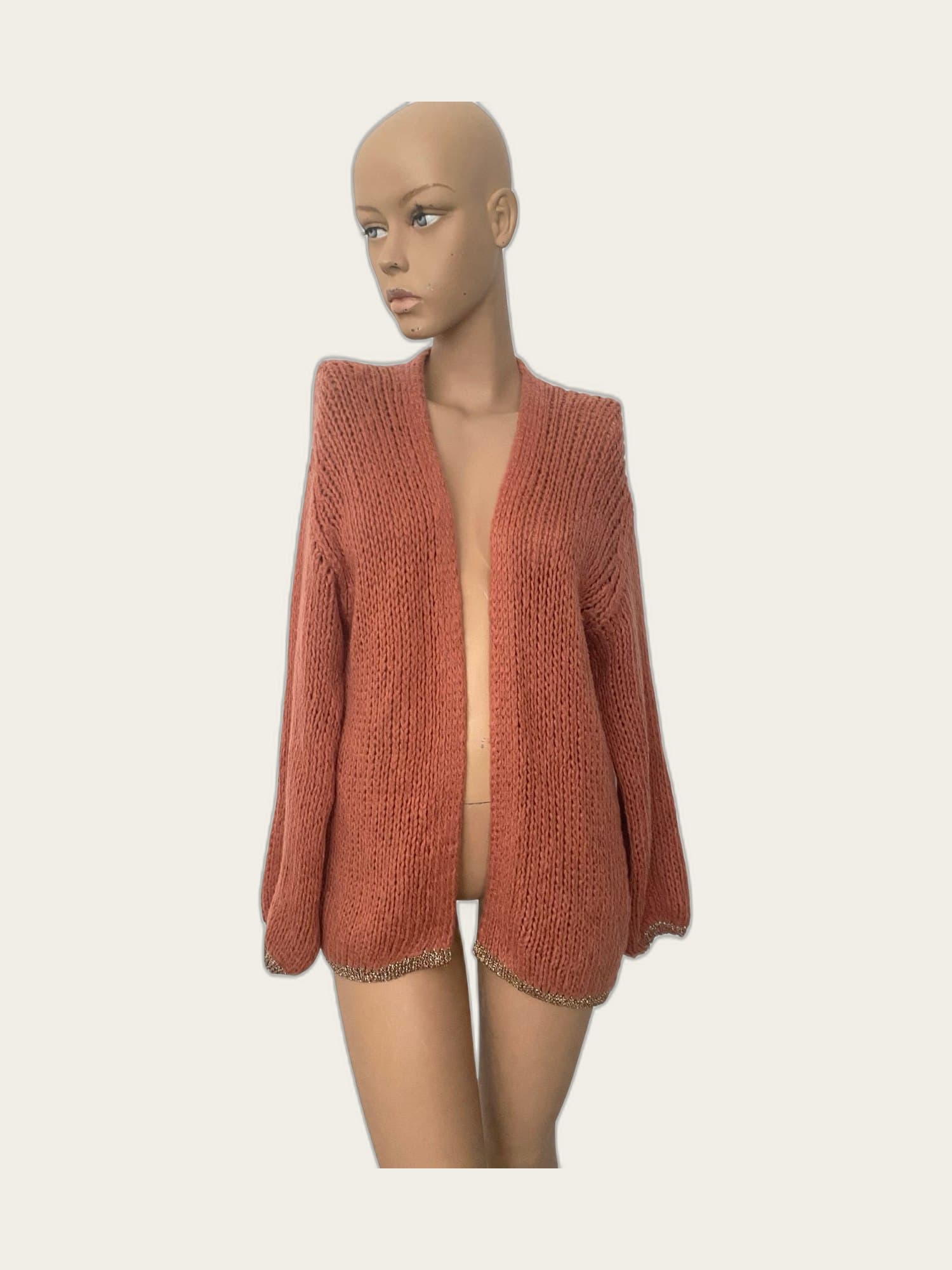
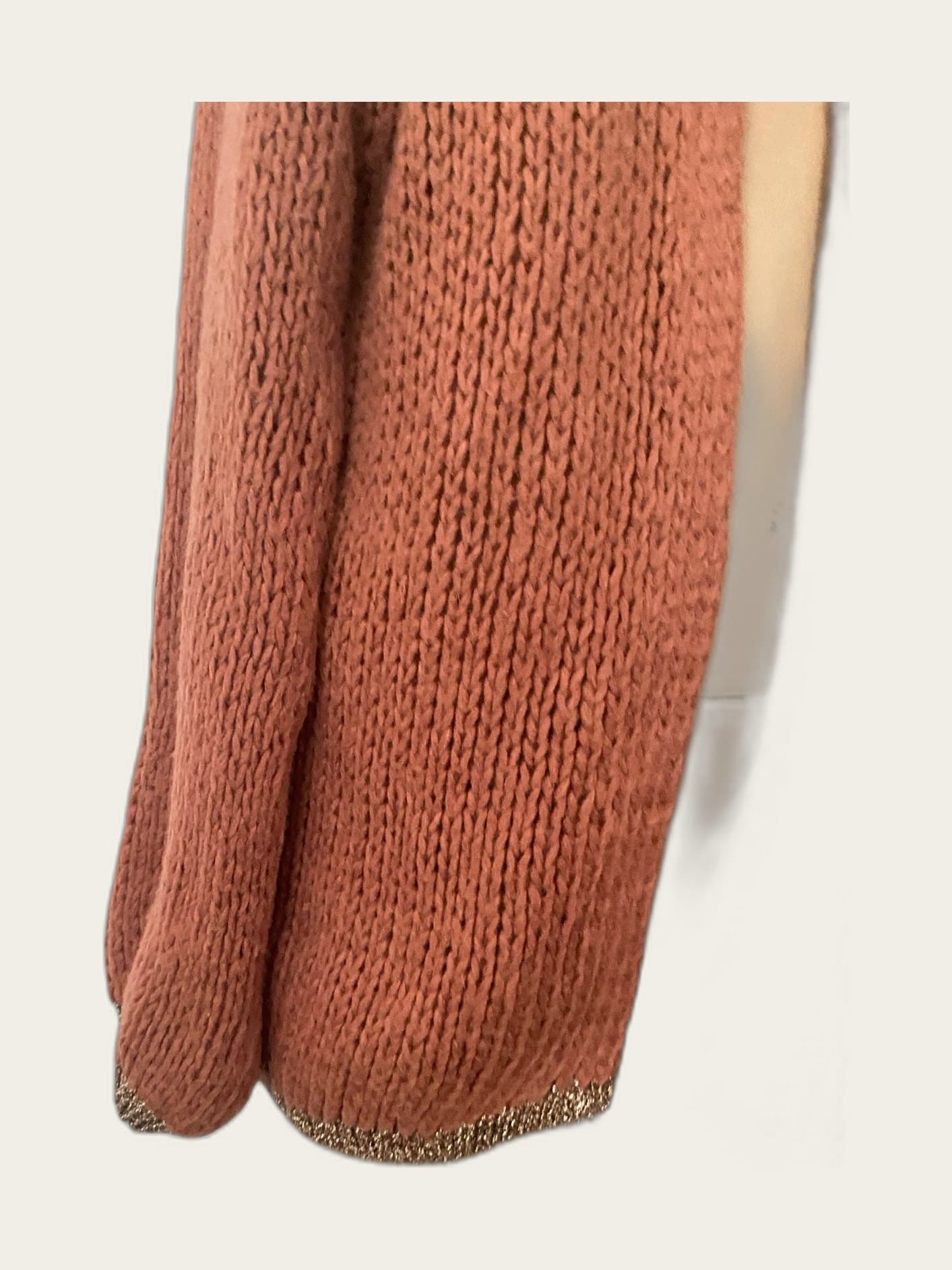
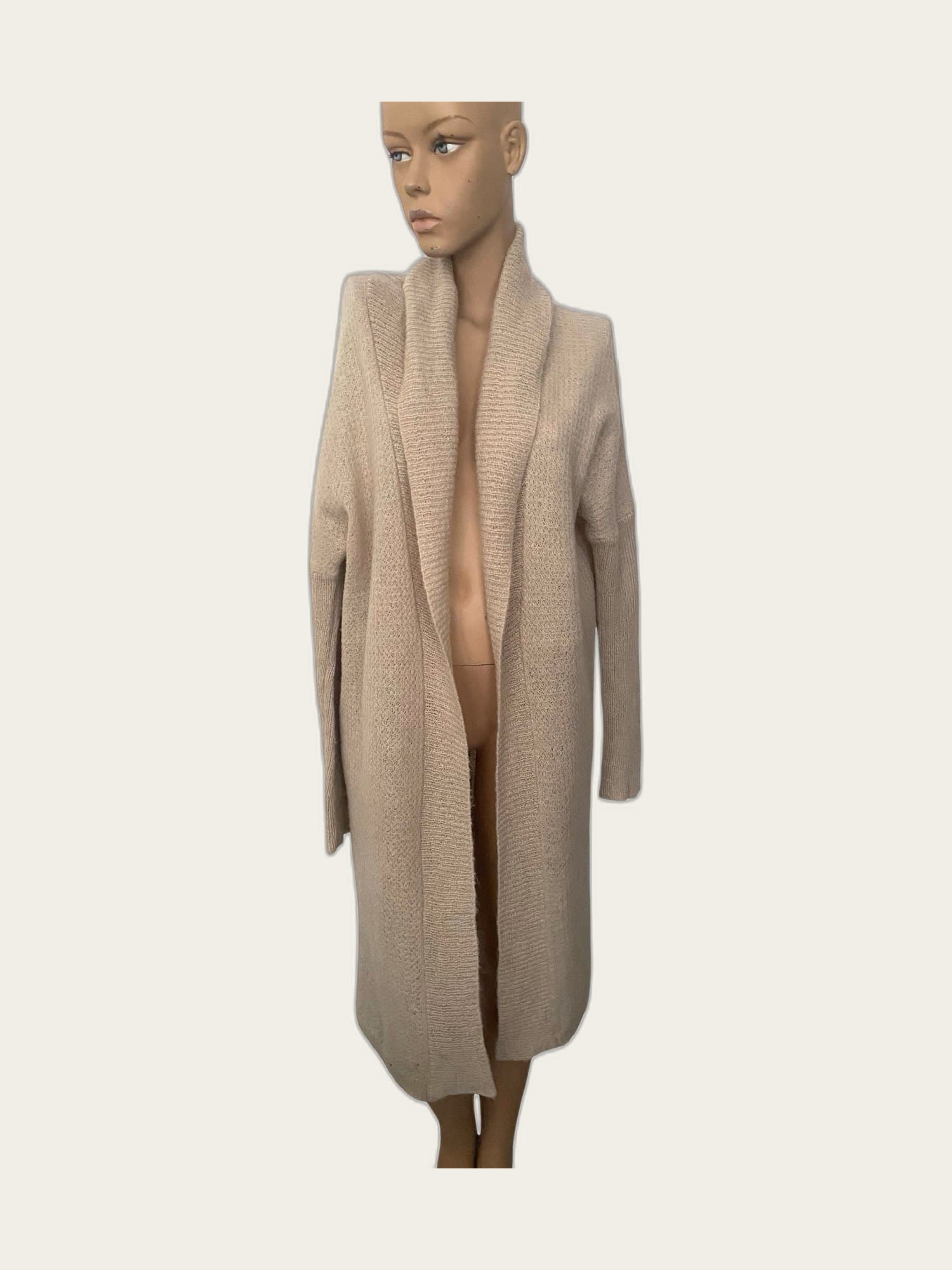
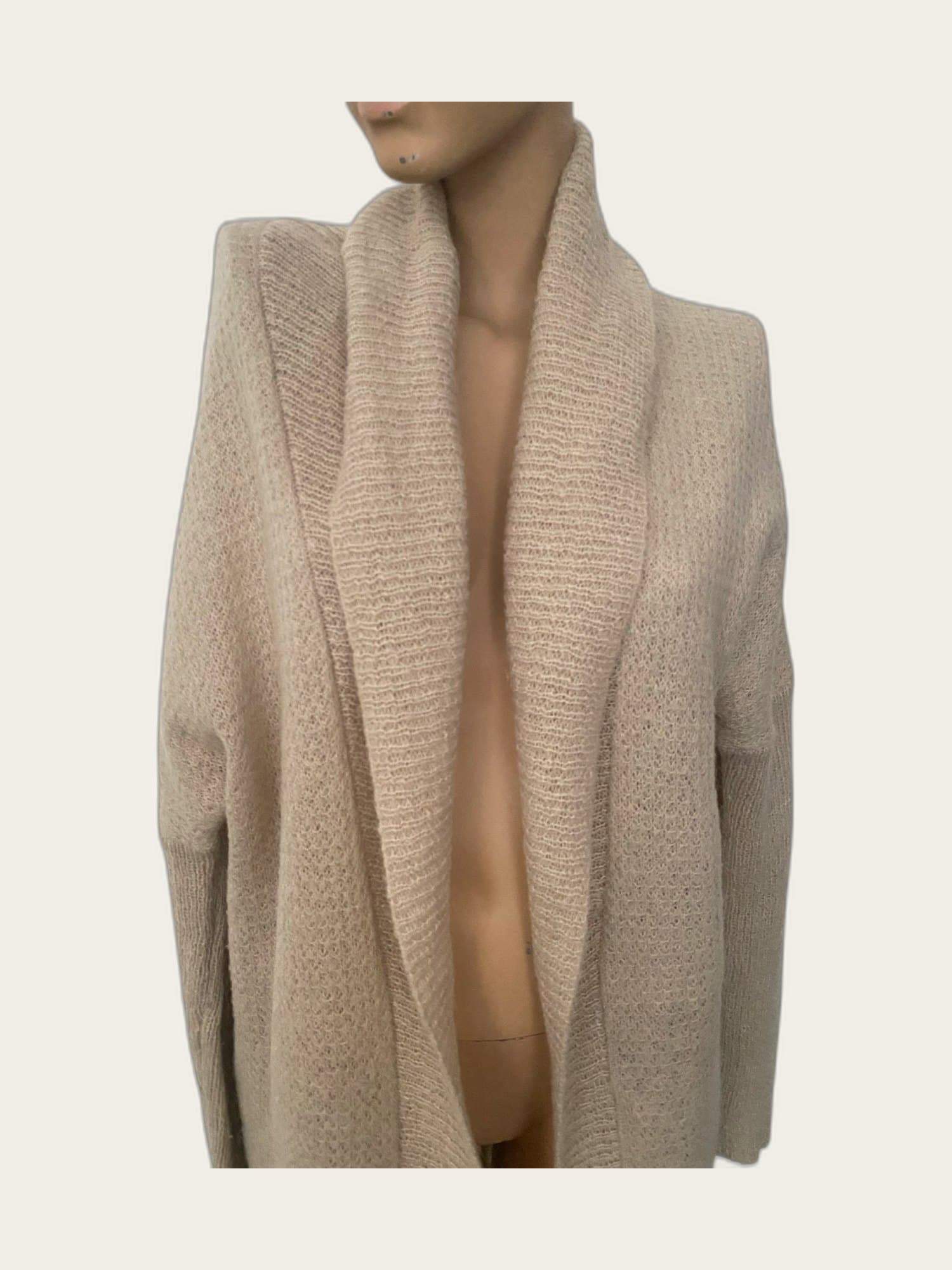
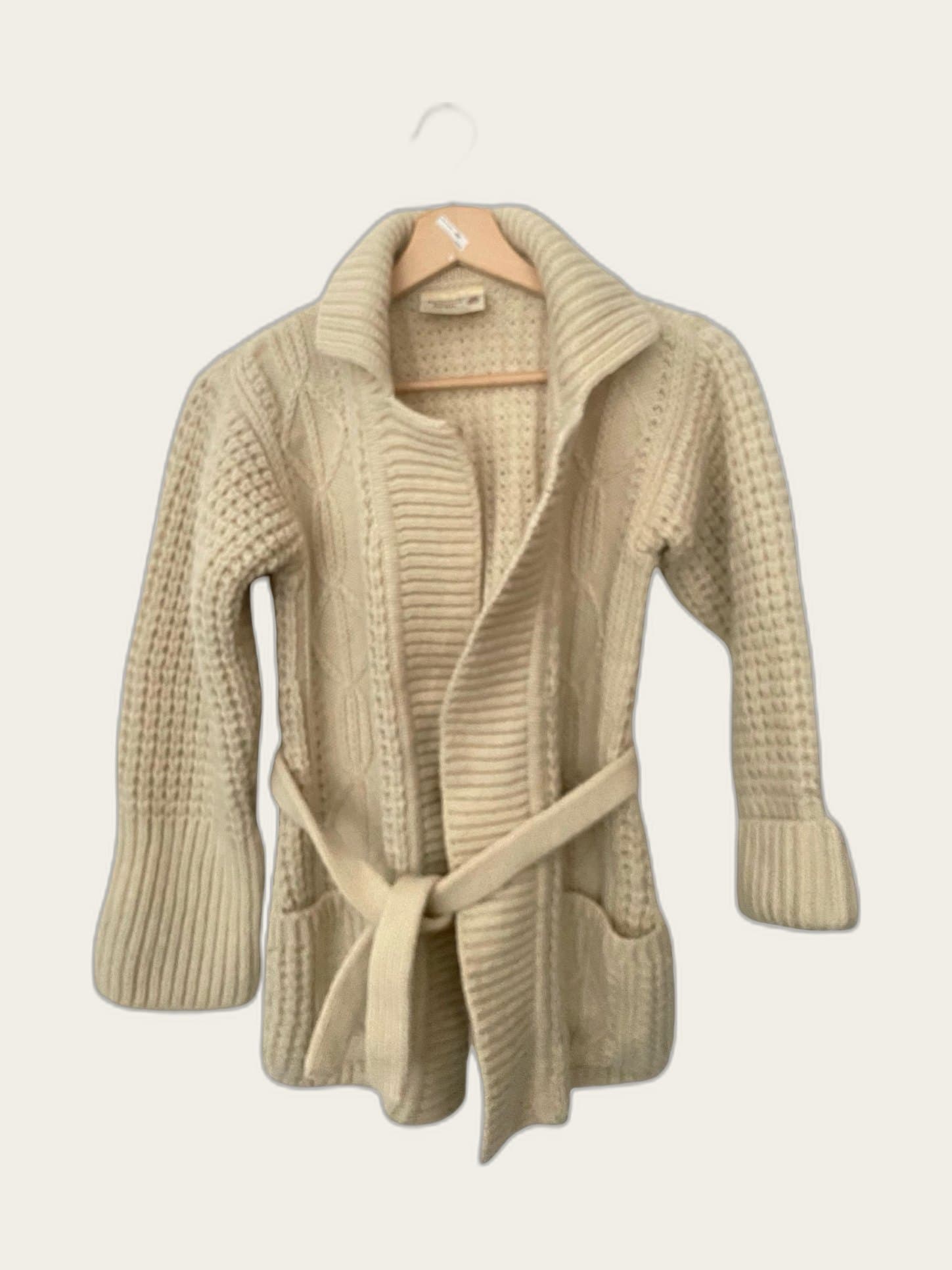
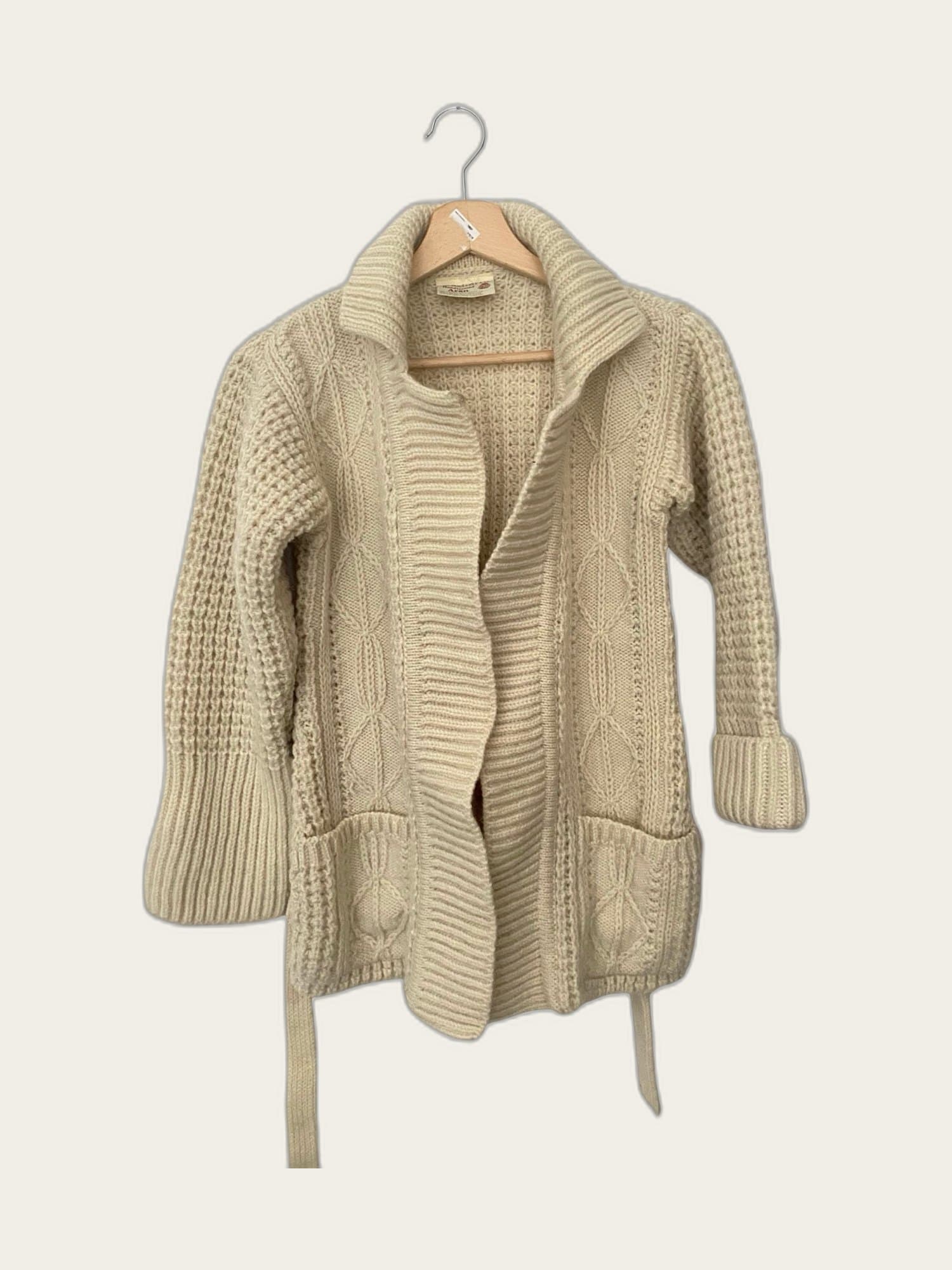
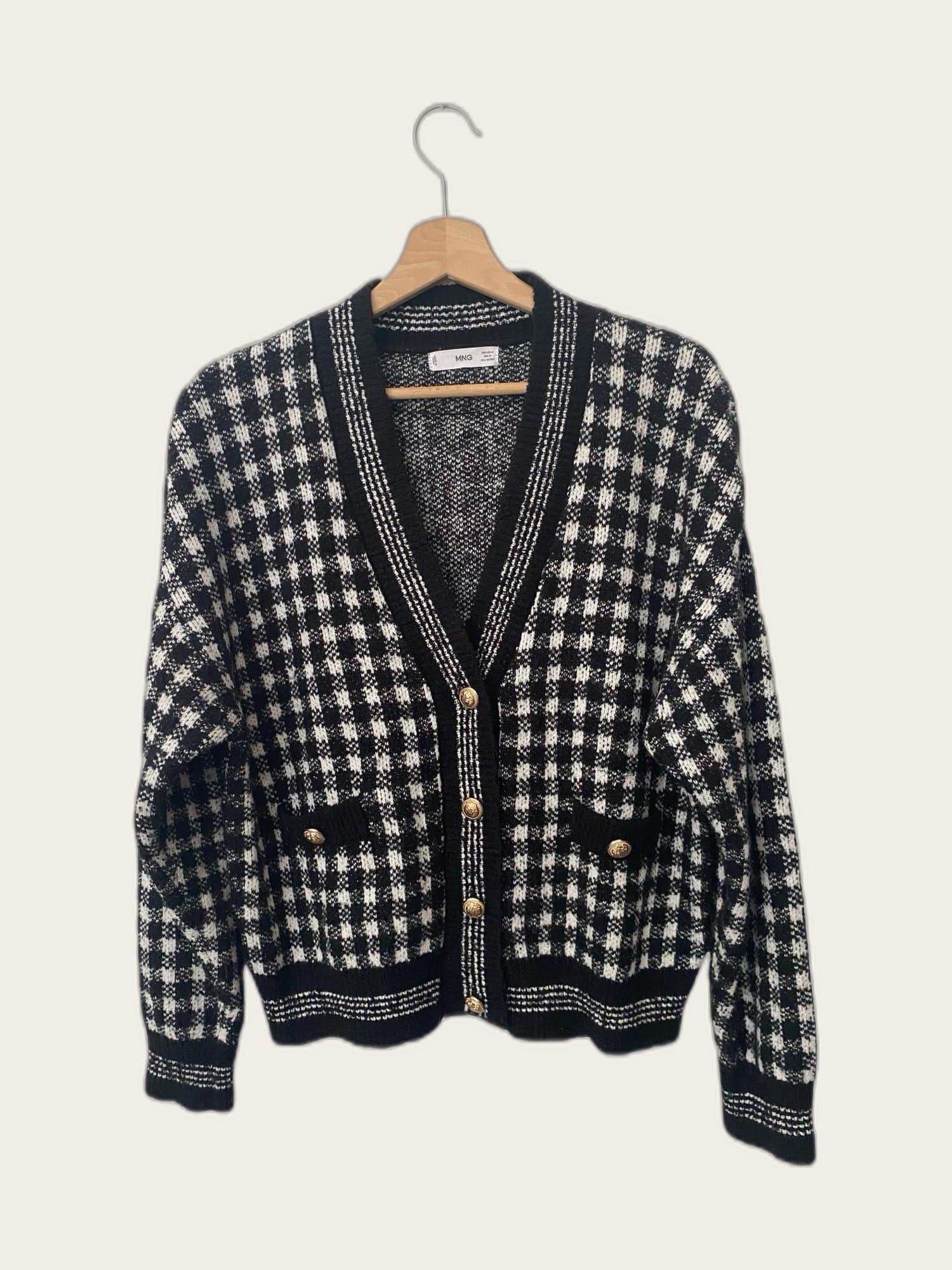
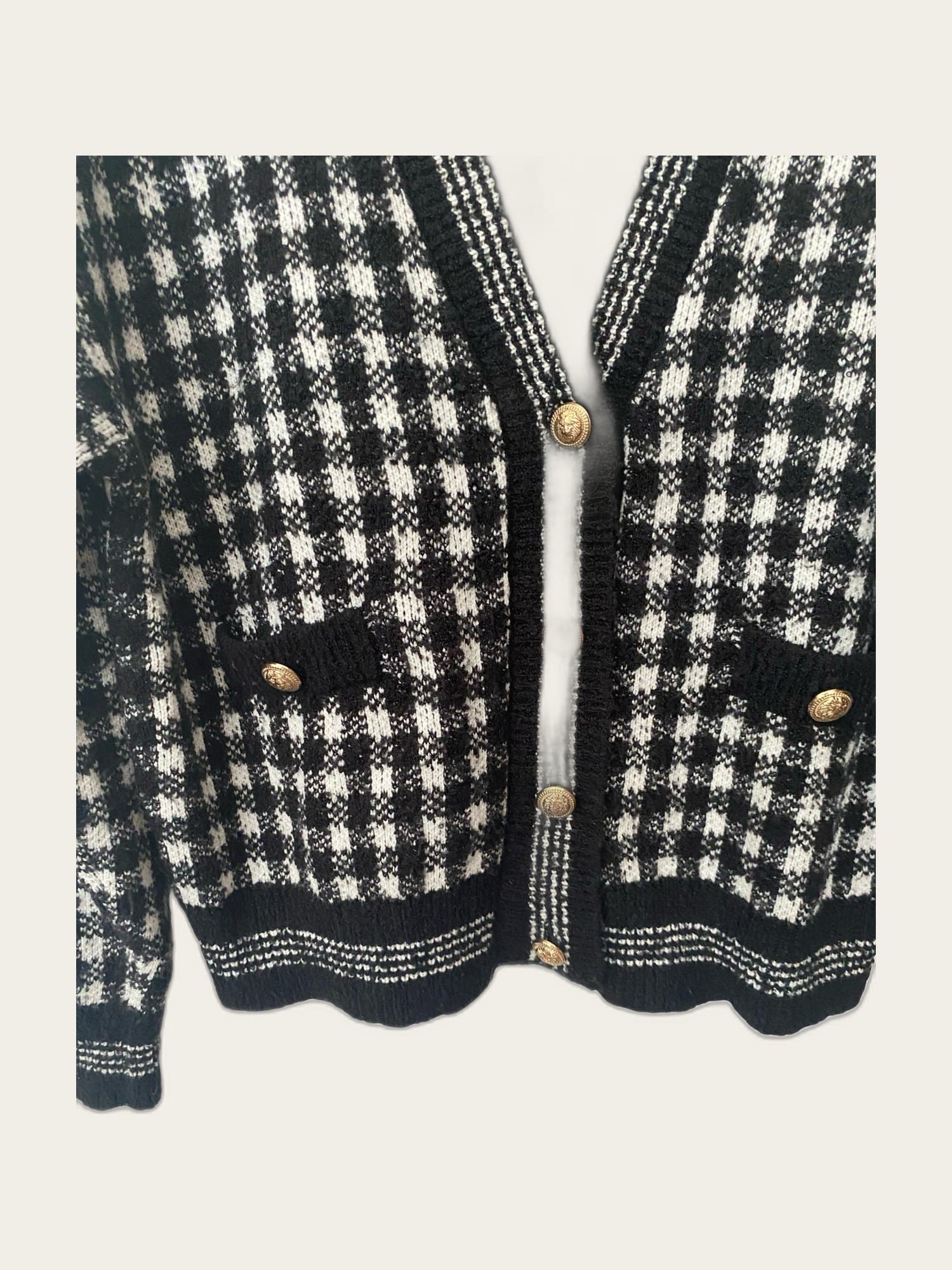
Sweaters and cardigans at GSYL
Frequently asked questions
How often should you wash a jumper?
Not after every wear. You can often wear a wool jumper several times; hang it up to air in between. Only wash it when it’s actually dirty or starts to smell.
Can you wash wool in the washing machine?
Yes, if the care label allows it. Choose the wool programme with cold to lukewarm water, a low spin setting and a wool detergent, then dry the jumper flat.
How do you stop a jumper from bobbling?
Bobbles are caused by friction. Wash knitwear inside out on a wool programme, not together with rough fabrics such as denim, and remove bobbles with a jumper comb or a fabric shaver.
Should you wash second-hand clothes before wearing them?
At GSYL, every item is cleaned before it appears in the shop. If you’d still like to wash it yourself, follow the care label.
Sources
- ISO 3758:2023 Textiles — Care labelling code using symbols (opens in a new tab), International Organization for Standardization (ISO) (2023)
Clothes that will last for years to come
With good care, a second-hand piece will last a long time yet. Discover what’s new in.